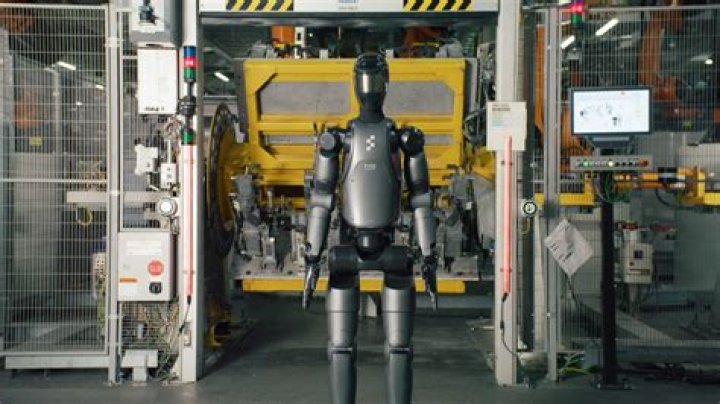
The automotive industry is undergoing a transformation like never before, and at the forefront of this change is the innovative integration of robotics and artificial intelligence. One of the most exciting developments in this field is the emergence of the BMW robot humanoid, a remarkable creation that showcases the company's commitment to pushing the boundaries of technology. This humanoid robot embodies the fusion of engineering excellence and cutting-edge robotics, paving the way for a future where machines and humans coexist harmoniously in various sectors.
As we delve deeper into the world of the BMW robot humanoid, it becomes clear that this is not just a simple robotic prototype. It represents a significant leap forward in the capabilities of robotics, designed for versatility and efficiency in various applications. From manufacturing processes to customer service, the BMW robot humanoid is set to redefine the way we interact with machines, enhancing productivity and efficiency in numerous industries.
In this article, we will explore the various aspects of the BMW robot humanoid, including its design, functionality, potential applications, and the implications it holds for the future. As we navigate through the intricacies of this remarkable innovation, we will answer key questions about its capabilities and the role it may play in shaping the future of robotics and automation.
What is the BMW Robot Humanoid?
The BMW robot humanoid is an advanced robotic system designed to mimic human-like movements and behaviors. Engineered with precision, this humanoid robot is equipped with a range of sensors and actuators that allow it to perform various tasks efficiently. Its design incorporates cutting-edge technology, enabling it to interact seamlessly with its environment and adapt to different scenarios.
How Does the BMW Robot Humanoid Work?
At the heart of the BMW robot humanoid's functionality lies a sophisticated control system that processes data from its sensors. This allows the robot to perceive its surroundings, make decisions, and execute actions in real-time. The integration of advanced algorithms and machine learning enhances its ability to learn from experiences, making it more effective over time. Key features include:
- Advanced motion control for fluid movements
- Real-time environmental sensing capabilities
- Machine learning algorithms for continuous improvement
- Human-like interaction abilities
What Are the Applications of the BMW Robot Humanoid?
The potential applications of the BMW robot humanoid are vast and varied. Its versatility allows it to be utilized in different sectors, including:
- Manufacturing and assembly lines
- Customer service and support
- Healthcare assistance
- Education and training environments
Who Designed the BMW Robot Humanoid?
The BMW robot humanoid was developed by a team of engineers and robotics experts at BMW's research and development division. This innovative team is dedicated to exploring the intersection of automotive engineering and robotics, aiming to create solutions that enhance both vehicle manufacturing and customer experiences. Their expertise in mechanical and electronic engineering, along with their knowledge of robotics, has allowed them to create a humanoid robot that stands out in the industry.
What Are the Advantages of Using the BMW Robot Humanoid?
Integrating the BMW robot humanoid into various industries offers numerous advantages, including:
- Increased efficiency and productivity
- Enhanced safety in hazardous environments
- Improved customer interactions and service
- Cost-effectiveness in manufacturing processes
How Is the BMW Robot Humanoid Different from Other Robots?
The BMW robot humanoid distinguishes itself from traditional robots through its human-like appearance and behavior. Unlike conventional industrial robots, which are often limited to specific tasks, the BMW robot humanoid is designed for adaptability, allowing it to perform a variety of functions. Its ability to engage in human-like interactions further sets it apart, making it suitable for roles that require emotional intelligence and communication skills.
What Does the Future Hold for the BMW Robot Humanoid?
The future of the BMW robot humanoid is bright, with ongoing research and development aimed at enhancing its capabilities. As technology continues to evolve, we can expect to see improvements in its performance, efficiency, and versatility. Potential future developments may include:
- Enhanced machine learning algorithms for better decision-making
- Integration with smart home technology
- Expansion into new industries and applications
- Increased collaboration with humans in various work environments
Conclusion: The Impact of the BMW Robot Humanoid
The BMW robot humanoid represents a significant milestone in the evolution of robotics and automation. Its innovative design, coupled with advanced technology, positions it as a key player in transforming various industries. As we continue to explore and develop humanoid robots, the potential for enhancing our daily lives and improving efficiency across sectors is boundless. The BMW robot humanoid is not just a glimpse into the future; it is a step toward a more integrated and advanced world where humans and machines work side by side.
Understanding Barbara O'Neill And Autism: A Journey Of Awareness And Advocacy
Unraveling The Mystery Of Level Blue TikTok
Unpacking The Crayola Controversy: Does Crayola Support Israel?