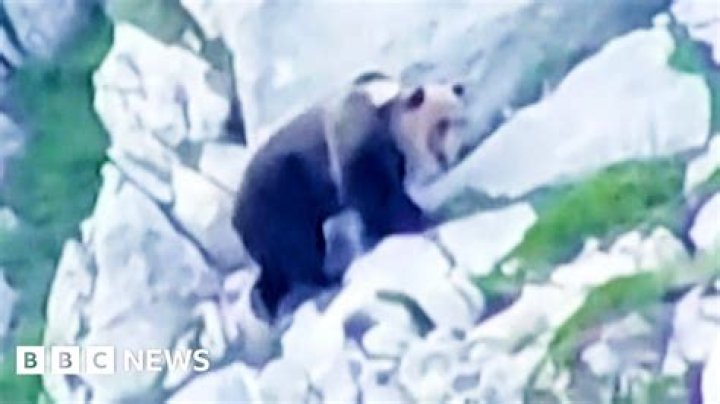
Nature often surprises us with its unpredictability, and one of the most astonishing sights is watching wildlife navigate their environment. The image of a bear falls off a cliff can be both shocking and captivating. Whether it is a moment of sheer miscalculation or the result of an unexpected encounter, these events remind us of the risks that come with the wild. Bears, majestic creatures of strength and endurance, undertake incredible feats, but they are not immune to the hazards of their natural habitats.
In the wild, bears are known for their agility and strength, often traversing steep terrains and rocky cliffs. However, occasionally, even the most skilled climbers face challenges beyond their control. When a bear falls off a cliff, it can lead to a cascade of consequences, not only for the animal itself but for the ecosystem surrounding it. This article delves into the reasons behind such incidents, the impact on wildlife, and the fascinating stories that emerge from these occurrences.
From the perspective of observers, the sight of a bear tumbling down a rocky ledge can evoke a mix of emotions ranging from concern to awe. What drives these magnificent animals to take such risks? How do they recover from such falls? And what can we learn from these moments in nature? In this exploration, we will answer these questions and more as we uncover the realities of the wild and the unforeseen events that can occur.
What Causes a Bear to Fall Off a Cliff?
Bears are powerful creatures, but they are still subject to the forces of nature. There are several reasons a bear might find itself in a precarious position at the edge of a cliff:
- Chasing Prey: Bears are opportunistic feeders, and in their quest for food, they may pursue prey into challenging terrains.
- Frightened or Threatened: A sudden encounter with a predator or human can cause a bear to flee, leading to missteps.
- Instinctual Behavior: Bears are known to climb cliffs to forage for berries or insects; however, they might misjudge their footing.
- Environmental Factors: Weather changes, such as rain or snow, can make cliffs slippery and increase the risk of falls.
How Do Bears Survive Falls?
When a bear falls off a cliff, many might wonder about its survival chances. Bears possess unique adaptations that help them endure such injuries:
- Powerful Bodies: Their muscular build allows them to absorb shocks better than smaller animals.
- Thick Fur and Fat Layers: These provide some cushioning during falls, reducing the impact on vital organs.
- Quick Recovery: Bears have a remarkable ability to heal, often recovering from injuries that would be debilitating for other species.
Are There Any Documented Cases of Bears Falling Off Cliffs?
Indeed, there are several documented cases of bears falling off cliffs. Wildlife documentaries and nature enthusiasts have captured these moments, often showcasing the resilience of these animals. One notable incident involved a grizzly bear in Yellowstone National Park, where a video captured the bear tumbling down a rocky slope but quickly getting back on its feet, showcasing its determination and strength. Such footage not only amazes viewers but also serves as a reminder of the challenges bears face in their natural habitats.
What Impact Does a Fall Have on a Bear's Behavior?
When a bear falls off a cliff, it can lead to significant changes in its behavior:
- Avoidance of Certain Areas: After a fall, a bear may avoid climbing steep cliffs in the future, altering its foraging patterns.
- Increased Caution: Bears may become more cautious and aware of their surroundings, especially if they’ve previously experienced a fall.
- Social Dynamics: A bear that has been injured may find it challenging to compete with others for food, affecting its social standing within a group.
What Can We Learn from Bears Falling Off Cliffs?
The phenomenon of a bear falling off a cliff offers valuable lessons about resilience, adaptability, and the unpredictability of nature. Here are a few takeaways:
- Resilience: Bears demonstrate incredible strength and resilience, bouncing back from injuries that could be life-threatening for other species.
- Awareness of Environment: The incident serves as a reminder for all wildlife, including humans, to be aware of their surroundings and the risks they may face.
- Respect for Nature: Understanding the challenges wildlife encounters fosters a deeper respect for nature and its inhabitants.
Can Bear Falls Off Cliffs Be Prevented?
While we cannot control nature, there are measures that can be taken to help minimize the risks bears face:
- Conservation Efforts: Protecting bear habitats and ensuring they have safe foraging areas can reduce the likelihood of dangerous encounters.
- Education: Educating the public about bear behavior and how to coexist with wildlife can help minimize human-bear interactions.
- Research: Ongoing studies into bear behavior and habitat use can provide insights that inform conservation strategies.
Conclusion: The Journey of a Bear Falls Off a Cliff
In conclusion, the image of a bear falls off a cliff encapsulates the unpredictability of nature and the remarkable resilience of wildlife. While these incidents can be startling, they also offer a glimpse into the challenges bears face in their natural habitats. As we continue to learn from these occurrences, we gain a deeper appreciation for the beauty and complexity of the natural world. Whether through documentaries, personal experiences, or conservation efforts, we are reminded that every fall can lead to growth and recovery, both for bears and for us as stewards of the environment.
As we reflect on the journey of bears and their encounters with cliffs, let us remain vigilant in our efforts to protect their habitats and ensure a harmonious coexistence with these magnificent creatures.
Discover The Stylish World Of SRL Hoodies
Unveiling The Fascination Behind The Ronnie McNott Video
Unleashing Creativity: Exciting Christmas Door Decorating Contest Ideas