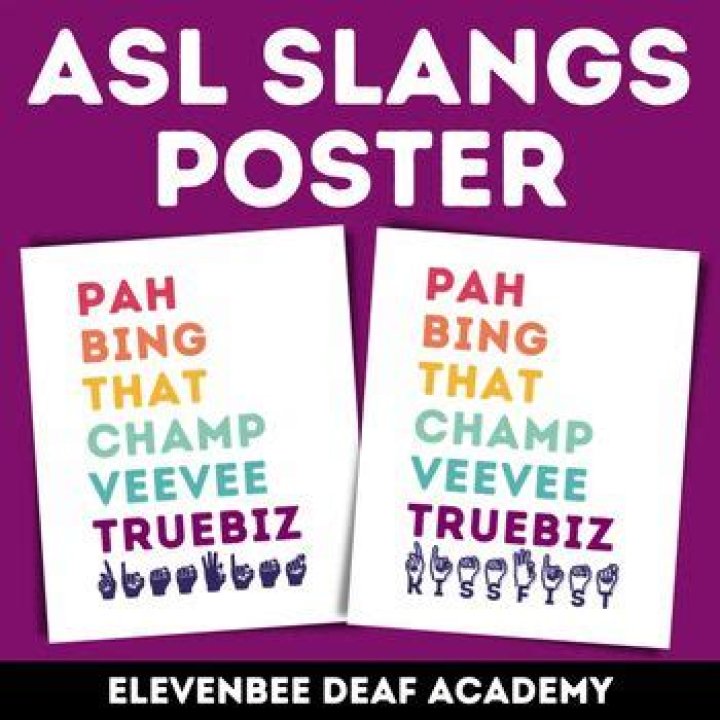
In the age of digital communication, where emojis and abbreviations reign supreme, American Sign Language (ASL) has developed its own unique slang that reflects the dynamic culture of the Deaf community. ASL slang brings a fresh perspective to the way expressions, emotions, and ideas are shared among its users. Just like any other language, ASL is not static; it evolves, adapts, and incorporates elements from various influences, creating a rich tapestry of communication.
The fascinating aspect of ASL slang is how it encapsulates a sense of identity and community among its users. It not only serves as a practical tool for communication but also fosters a sense of belonging and understanding among Deaf individuals. As users navigate their everyday lives, they use ASL slang to convey humor, sarcasm, and cultural nuances that often go unrecognized by those outside the community.
As we delve into the world of ASL slang, we will explore its origins, significance, and various expressions used within the community. Furthermore, we will answer common questions about ASL slang, providing insights for both Deaf individuals and those interested in learning about this vibrant language. So, let's embark on this exciting journey to uncover the colorful expressions that make ASL slang a unique form of communication!
What is ASL Slang and How Did it Evolve?
ASL slang refers to the informal expressions and signs that have developed within American Sign Language, reflecting the culture, experiences, and social dynamics of the Deaf community. Just like spoken languages, ASL incorporates regional variations, colloquialisms, and even pop culture references that make it distinct.
Historically, ASL has been influenced by the experiences of Deaf individuals, their interactions with the hearing world, and the cultural exchanges that occur within the Deaf community. Over time, slang has emerged as a way for users to express themselves more creatively and to establish a unique identity.
How Does ASL Slang Differ from Standard ASL?
While standard ASL follows specific grammatical rules and vocabulary, ASL slang often deviates from these conventions. Slang can be more playful, spontaneous, and context-dependent, allowing users to convey emotions or ideas in a more relaxed manner. This can include finger-spelled abbreviations, modified signs, or even gestures that are understood within a particular group.
For instance, the sign for "sick" can be used in slang to mean something is cool or impressive, demonstrating how the meaning of a word can shift based on context. This flexibility is a hallmark of ASL slang, as it allows users to communicate in ways that resonate with their personal experiences.
What Are Some Popular ASL Slang Expressions?
ASL slang is rich with expressions that carry specific meanings within the community. Here are some popular ASL slang expressions:
- “Sick”: Used to describe something cool or impressive.
- “Bet”: Indicates agreement or affirmation.
- “Tea”: Refers to gossip or news.
- “Woke”: Used to describe someone who is socially aware or conscious.
- “Throwing shade”: Refers to subtly criticizing someone.
Who Uses ASL Slang?
ASL slang is primarily used by members of the Deaf community, including those who are Deaf, hard of hearing, and even hearing individuals who are fluent in ASL. It serves as a way to build connections and establish a shared language among peers, often creating a sense of camaraderie.
Additionally, ASL slang can be found in various contexts, such as social media, group chats, and live interactions, showcasing the adaptability of the language in modern communication.
Where Can You Learn More About ASL Slang?
For those interested in exploring ASL slang, there are several resources available:
- ASL Courses: Many community colleges and organizations offer ASL courses that include lessons on slang.
- Online Forums: Websites and social media groups dedicated to ASL provide a platform for users to share slang and expressions.
- YouTube Channels: There are numerous ASL educators and interpreters who create content focusing on slang and informal expressions.
- Deaf Events: Attending Deaf community events can provide firsthand experience with ASL slang in a social setting.
Can ASL Slang Be Misinterpreted?
Yes, ASL slang can sometimes be misinterpreted, especially by those who are not familiar with the context or the nuances of the language. Just like any other form of slang, the meanings of certain expressions can vary based on regional differences, personal experiences, and social dynamics.
For example, a sign that is considered humorous among friends may not be understood in the same way by someone outside the group. This highlights the importance of context and understanding the cultural background when using ASL slang.
How Can ASL Slang Foster Community and Identity?
ASL slang plays a crucial role in fostering a sense of community and identity among Deaf individuals. By using unique expressions and informal language, users can create a shared understanding that strengthens their social bonds. This sense of belonging is vital in a world where Deaf individuals often face communication barriers.
Moreover, ASL slang allows users to express their individuality and creativity, showcasing their experiences, humor, and cultural pride. This expression of identity can empower members of the Deaf community to embrace their language and culture, further enriching the tapestry of ASL.
What Are the Future Prospects of ASL Slang?
The future of ASL slang looks promising as the language continues to evolve and adapt to new cultural influences. With the rise of social media and online communities, ASL slang is likely to gain more visibility and recognition, allowing it to reach a broader audience.
As younger generations of Deaf individuals embrace technology and communication platforms, they will undoubtedly contribute to the ongoing evolution of ASL slang, infusing it with new expressions and meanings that reflect their experiences.
Conclusion
ASL slang is a vibrant and essential aspect of American Sign Language that reflects the rich culture and identity of the Deaf community. By exploring its evolution, expressions, and significance, we gain a deeper appreciation for the creativity and resilience of its users. As ASL continues to thrive and adapt, so too will its slang, ensuring that this unique form of communication remains relevant and expressive for generations to come.
Legacy Of Love: The Grandchildren Of Bob Marley
Unveiling The Glamzilla: A Journey Into The World Of Glamour
Discovering The Melody Of The 50 States Song Lyrics