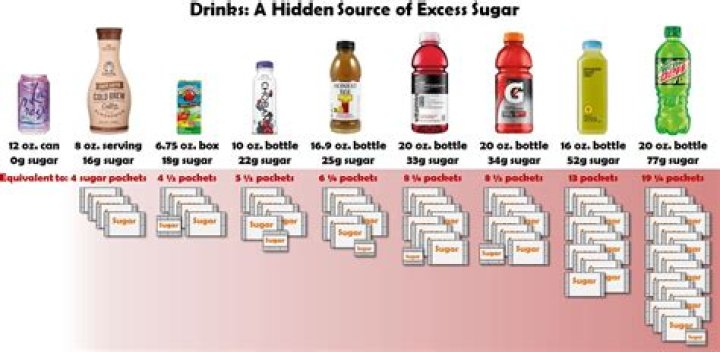
In today's health-conscious world, understanding the nutritional content of what we consume is crucial. One common point of confusion is how sugar fits into our daily intake. With the average American consuming about 17 teaspoons of sugar daily, it's essential to decipher how this translates into grams. For instance, did you know that 34 g of sugar is equivalent to roughly 8.5 teaspoons? This article will explore the implications of consuming 34 g of sugar, its sources, and how it affects our health.
As people become more aware of the importance of a balanced diet, the question of sugar intake becomes increasingly relevant. Some may wonder how much is too much and what the recommended daily limit is. The American Heart Association suggests that women should not exceed 25 g of added sugar, while men should limit their intake to 36 g. This makes 34 g of sugar a significant amount for both genders, warranting a closer look into its sources and health effects.
Moreover, the impact of sugar on our bodies is not just a matter of weight gain; it can lead to various health issues such as diabetes, heart disease, and dental problems. By understanding what 34 g of sugar looks like in our diets, we can make informed choices that promote better health. In the following sections, we will delve into the different aspects of sugar, its sources, and how to manage our intake effectively.
What Foods Contain 34 g of Sugar?
When considering a typical diet, many foods can contribute to reaching a total of 34 g of sugar. Here are some common items that may contain this much sugar:
- One can of soda (12 oz) - approximately 39 g of sugar
- A medium-sized flavored coffee drink - around 34 g of sugar
- One cup of sweetened yogurt - about 30-35 g of sugar
- Two tablespoons of BBQ sauce - roughly 20 g of sugar
These examples highlight how easy it can be to consume 34 g of sugar without even realizing it. It’s crucial to read labels and understand the sugar content in your favorite foods.
How Does 34 g of Sugar Affect Your Body?
Understanding the effects of consuming 34 g of sugar necessitates an awareness of how sugar interacts with our body. When we consume sugar, it triggers a series of physiological responses that can lead to:
- Increased blood glucose levels
- Heightened insulin production
- Energy spikes followed by crashes
- Potential weight gain over time
These effects can vary depending on individual metabolism and overall diet, but they illustrate the need for moderation.
Is 34 g of Sugar Too Much for Daily Consumption?
When considering whether 34 g of sugar is too much, it’s essential to take into account the context of your entire diet. For many, this amount may push them close to or over the recommended daily limits set by health organizations. Therefore, it is beneficial to evaluate your sugar consumption in relation to other dietary elements, such as:
- Fruits
- Vegetables
- Whole grains
Balancing these food groups can help mitigate the potential negative effects of sugar consumption.
Can You Cut Down on 34 g of Sugar?
The good news is that reducing your sugar intake is possible with some conscious effort. Here are some strategies to help you cut down on sugar:
- Read food labels carefully to determine sugar content.
- Opt for unsweetened versions of beverages and snacks.
- Use natural sweeteners like honey or maple syrup sparingly.
- Incorporate more whole foods into your diet.
By implementing these strategies, you can make meaningful changes to your sugar consumption.
What Are the Benefits of Reducing Sugar Intake?
Reducing sugar intake can lead to numerous health benefits, including:
- Weight loss and improved body composition
- Better energy levels throughout the day
- Decreased risk of chronic diseases such as diabetes and heart disease
- Enhanced mood stability and mental clarity
Ultimately, these benefits can significantly improve your overall quality of life.
How Can You Identify Hidden Sugars in Your Diet?
Many processed foods contain hidden sugars that can lead to unsuspected sugar consumption. To identify hidden sugars, consider the following tips:
- Look for ingredients ending in "-ose" (e.g., glucose, fructose, sucrose).
- Be wary of terms like “high fructose corn syrup” or “agave nectar.”
- Check serving sizes; sometimes, a small amount of a high-sugar food can contribute significantly to your daily intake.
By being vigilant about hidden sugars, you can better manage your overall sugar consumption.
What Are the Alternatives to Sugar?
If you’re looking to reduce your sugar intake, there are several alternatives to consider:
- Stevia - a natural sweetener derived from the leaves of the Stevia plant.
- Monk fruit - another natural sweetener that is gaining popularity.
- Artificial sweeteners - such as aspartame and sucralose, though some may prefer to avoid these due to potential health concerns.
Exploring these options allows you to enjoy sweet flavors without the added sugar.
Conclusion: Is 34 g of Sugar Manageable in Your Diet?
In conclusion, understanding what 34 g of sugar looks like in your diet is essential for maintaining health and wellness. By identifying sources of sugar, recognizing its effects on your body, and implementing strategies to manage your intake, you can achieve a balanced approach to nutrition. Remember, moderation is key, and with informed choices, you can enjoy your favorite foods while prioritizing your health.
Ultimately, it’s not just about the number on the scale; it’s about feeling your best and living a vibrant, healthy life. So, take a moment to reflect on your sugar consumption and make the necessary adjustments to thrive.
Breckie Hill's Skateboarding Journey: From Passion To Influence
Dorian Tripp: A Journey Through Passion And Creativity
Bambi TikTok 8: The Rising Star Of Social Media