Meme culture has taken the internet by storm, creating a new language that transcends borders and connects people through humor and emotions. One of the most relatable and widely shared expressions in this digital landscape is the "annoyed meme." This meme encapsulates the feeling of frustration and irritation, often presented in a humorous context. It allows individuals to express their annoyance at various situations, from mundane daily irritations to more significant grievances, making it an essential part of online communication.
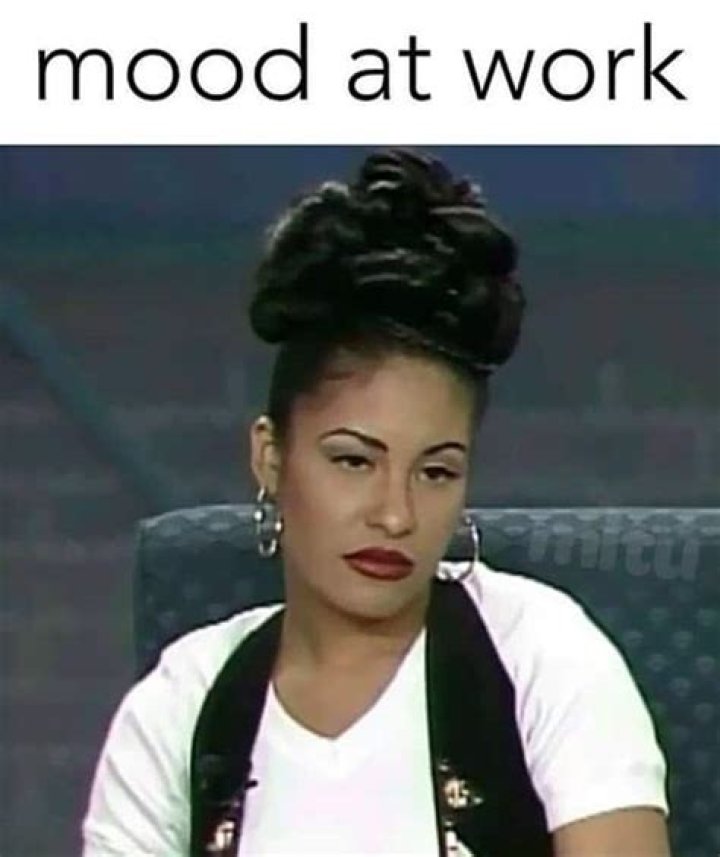
The annoyed meme typically features a character, often from popular culture or television, conveying a look of irritation that resonates with countless social media users. This meme not only serves as a form of entertainment but also acts as a social commentary on everyday life. For many, sharing an annoyed meme is a way to connect with others who share similar feelings, creating a sense of community around shared frustrations.
With the ever-evolving digital landscape, the annoyed meme showcases how humor can be used as both a coping mechanism and a tool for expressing dissatisfaction. As we dive deeper into the world of the annoyed meme, we will explore its origins, its impact on internet culture, and why it continues to thrive in the realm of social media. Join us as we unpack the annoyed meme phenomenon and its relevance in today’s society.
What is the Origin of the Annoyed Meme?
The annoyed meme has its roots in various forms of media, including television shows, movies, and even real-life situations. One of the earliest examples can be traced back to popular characters who have displayed expressions of annoyance or frustration, which have been captured in still images or GIFs. Over time, these expressions have been repurposed and shared across different social media platforms, evolving into what we recognize today as the annoyed meme.
How Has the Annoyed Meme Evolved Over Time?
As internet culture has changed, so too has the annoyed meme. Initially, it was shared primarily among niche communities but has since exploded into mainstream usage. This evolution can be attributed to the increasing accessibility of meme-making tools, allowing anyone with a smartphone or computer to create and share their own versions. The annoyed meme now comes in various forms, from simple images with text overlays to elaborate edits and videos that amplify the original expression of annoyance.
Why Do People Love Sharing Annoyed Memes?
Sharing annoyed memes is a way for individuals to express their feelings in a light-hearted manner. The relatability of these memes resonates with many, making them perfect for social media platforms where engagement is key. People enjoy sharing their frustrations with others, and the annoyed meme provides a humorous outlet for doing so. This shared experience fosters a sense of community, as individuals bond over their common annoyances.
Who are Some Prominent Figures Associated with the Annoyed Meme?
Many celebrities and fictional characters have become synonymous with the annoyed meme. For instance, a famous example is the character "Kermit the Frog," who, in various memes, showcases a range of emotions, including annoyance. Another notable mention is actor and comedian Steve Carell, whose expressions from the television series "The Office" have been immortalized as annoyed memes.
| Name | Profession | Famous Role | Notable Meme |
|---|---|---|---|
| Kermit the Frog | Fictional Character | The Muppet Show | Annoyed Kermit |
| Steve Carell | Actor/Comedian | The Office | Michael Scott's Annoyed Face |
How Do Annoyed Memes Reflect Cultural Trends?
Annoyed memes often reflect broader cultural trends and societal frustrations. For example, during times of political unrest or social change, these memes can encapsulate collective feelings of irritation and dissatisfaction. By sharing these memes, individuals can make a statement about their experiences and opinions, using humor to address serious issues.
What Makes a Memorable Annoyed Meme?
The most memorable annoyed memes often feature a combination of relatable expressions, clever text, and a context that resonates with a wide audience. The effectiveness of an annoyed meme lies in its ability to capture a universal feeling of annoyance while adding a humorous twist. For example, pairing an annoyed expression with a relatable situation—like waiting in line or dealing with a frustrating coworker—can elevate the meme's impact and shareability.
Can Annoyed Memes Be Used for Social Commentary?
Absolutely! Annoyed memes can serve as a powerful form of social commentary. By highlighting everyday frustrations, they can draw attention to larger societal issues, such as workplace stress, political dissatisfaction, or social injustices. The humor inherent in these memes can make difficult topics more approachable, encouraging discussions that might otherwise be uncomfortable.
How to Create Your Own Annoyed Meme?
If you're interested in joining the annoyed meme trend, creating your own is easier than ever! Here’s a simple step-by-step guide:
- Choose an Expression: Select an image that captures the feeling of annoyance.
- Add Text: Include a relatable caption that enhances the meme's humor.
- Use Meme Generators: Online tools can help you easily create and customize your meme.
- Share: Post your creation on social media platforms and watch the reactions roll in!
What Are the Future Prospects for the Annoyed Meme?
The annoyed meme is likely to continue evolving as long as the internet exists. As new cultural references emerge and societal frustrations change, so too will the expressions of annoyance we see in memes. With the rise of new platforms and technologies, the ways in which we create and share these memes will also expand, ensuring that this form of expression remains relevant in the digital age.
In conclusion, the annoyed meme is not just a passing trend; it encapsulates a significant aspect of modern communication. Whether you're sharing a meme to vent your frustrations or using it as a form of social commentary, the annoyed meme continues to thrive in the ever-changing landscape of internet culture.
Unleashing Creativity: The Art Of TikTok Videography
Unveiling The Mystery Of Gamer Dent: The New Wave In Gaming Culture
Exploring The "I Didn't Do Shit" Meme: Origins And Impact