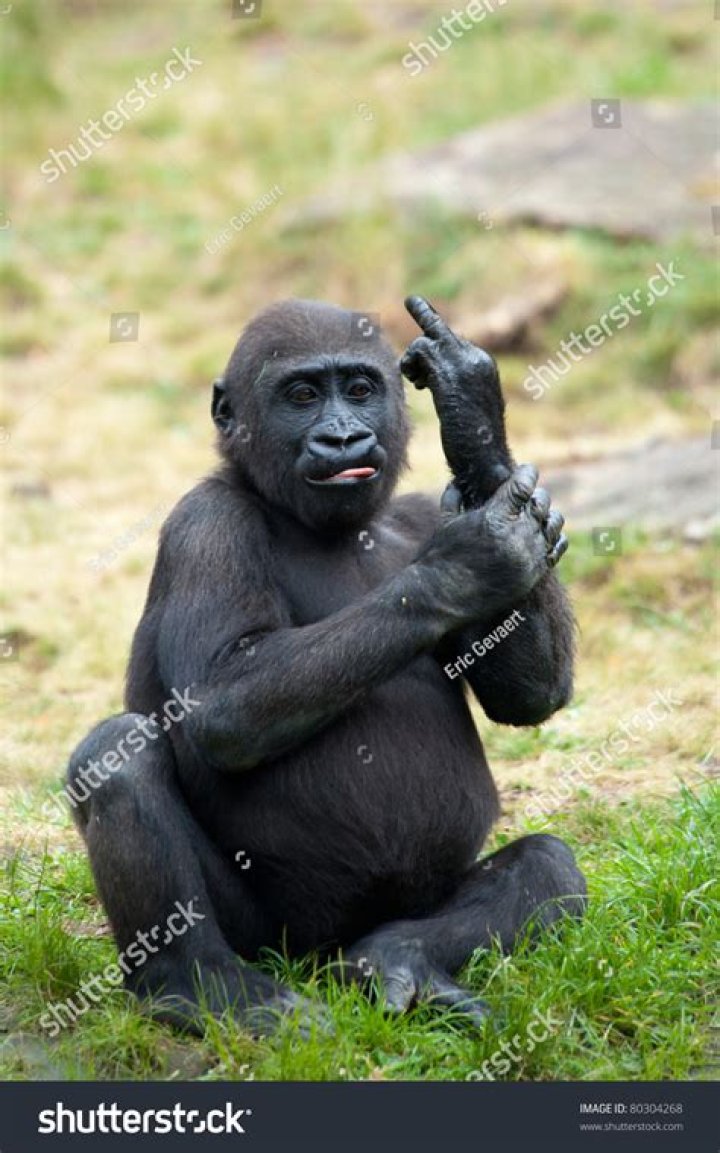
The monkey middle finger has become a quirky expression that resonates with humor and mischief around the globe. This playful gesture, often associated with primates, is not just an act of defiance but also a symbol of the human tendency to mimic and adapt animal behavior. The fascination with this gesture goes beyond its comedic value; it dives deep into the realms of culture, psychology, and even evolution. As we explore the monkey middle finger, we unravel the layers of meaning behind this seemingly simple gesture.
In various cultures, the monkey middle finger has sparked laughter, surprise, and even controversy. Its expression can convey a range of emotions, from irreverence to rebellion, often challenging societal norms. Just as monkeys display their middle finger as a form of communication, humans have adopted this gesture in numerous contexts, be it in casual banter or heated discussions. This article delves into the origins, implications, and the cultural significance of the monkey middle finger.
As we embark on this journey, we will uncover the historical significance of the monkey middle finger, its presence in popular culture, and how it reflects our understanding of communication, both human and animal. So, let’s swing into the world of the monkey middle finger and discover what makes this gesture so intriguing!
What is the History of the Monkey Middle Finger?
The history of the monkey middle finger can be traced back to the behavior of primates, who often use their fingers as a means of communication. This gesture is not unique to monkeys; it can be observed in various species of primates, including chimpanzees and gorillas. The middle finger, in particular, serves as a powerful tool to convey emotions and messages within their social structures.
Interestingly, the use of the middle finger as a human gesture dates back to ancient civilizations. The Greeks and Romans used it as a symbol of insult, linking its meaning to arrogance and disrespect. Over time, this gesture evolved into what we now recognize as a universal sign of defiance. The connection between the monkey middle finger and its human counterpart illustrates the fascinating ways in which we draw inspiration from our animal relatives.
How is the Monkey Middle Finger Represented in Popular Culture?
The monkey middle finger has made its mark in popular culture, appearing in movies, cartoons, and social media. Characters in animated shows often utilize this gesture for comedic effect, reinforcing its association with humor and mischief. Memes showcasing the monkey middle finger have also gained traction, as people share relatable experiences that evoke laughter.
Moreover, musicians and artists have incorporated the monkey middle finger into their work, using it as a symbol of rebellion against societal norms. This gesture has become synonymous with the idea of challenging authority and expressing individuality, making it a popular motif in various art forms.
Why Do We Find the Monkey Middle Finger Amusing?
The humor surrounding the monkey middle finger lies in its unexpected nature. When we see a monkey displaying its middle finger, it often catches us off guard and elicits laughter. This amusement stems from the juxtaposition of animal behavior with human social norms. In many ways, it serves as a reminder of our shared traits with primates, blurring the lines between the human and animal kingdoms.
Additionally, the monkey middle finger allows individuals to express frustration or defiance in a lighthearted manner. In a world where communication can sometimes feel stifled, this gesture provides an avenue for playful rebellion, enabling people to embrace their inner child and share a laugh with others.
Can the Monkey Middle Finger Teach Us About Animal Communication?
Studying the monkey middle finger opens a window into the world of animal communication. Primates have complex social structures that rely on a variety of gestures to convey emotions and intentions. The middle finger gesture is just one example of how animals use their bodies to communicate non-verbally.
Research into animal behavior reveals that gestures like the monkey middle finger can be both intentional and spontaneous. These behaviors are often context-dependent, allowing primates to express their feelings in response to different social situations. By understanding these gestures, we can gain insights into the evolutionary roots of human communication and our connection to the animal kingdom.
What Psychological Implications Does the Monkey Middle Finger Have?
The monkey middle finger carries psychological implications, particularly in how we perceive and interpret gestures. The act of showing the middle finger can serve as a coping mechanism for frustration or anger. It allows individuals to release pent-up emotions in a socially acceptable manner, often accompanied by laughter. This release can foster a sense of camaraderie among individuals sharing the same experience.
Moreover, the monkey middle finger symbolizes our innate desire for freedom and self-expression. By adopting this gesture, individuals assert their identity and rejection of societal constraints. It reflects a fundamental aspect of human psychology: the need to challenge authority and express individuality.
How Can We Use the Monkey Middle Finger in Everyday Life?
Incorporating the monkey middle finger into everyday life can be a fun and lighthearted way to navigate challenging situations. Here are some suggestions on how to use this gesture responsibly:
- In Humor: Use the monkey middle finger in a light-hearted manner during jokes with friends. It can serve as a playful punchline.
- Expressing Frustration: When faced with frustrating situations, a simple display of the gesture can help release tension, as long as it’s done in a humorous context.
- Social Media: Share funny memes or images featuring the monkey middle finger to connect with others who appreciate the humor behind it.
- Art: Incorporate the gesture into artistic expressions, whether through painting, digital art, or performance, to convey messages of rebellion and individuality.
Is There a Difference Between the Monkey Middle Finger and the Human Middle Finger?
While the monkey middle finger and the human middle finger may serve similar purposes in communication, there are notable differences in their implications. For primates, the gesture often signifies a direct reaction to social dynamics within their group. In contrast, the human middle finger has evolved into a broader symbol of defiance, often transcending its original meaning to encompass a wide range of emotions.
Furthermore, the context in which the gesture is used varies significantly. In animal behavior, the monkey middle finger can indicate aggression, submission, or playfulness, while in human interactions, it often serves as an expression of frustration or humor. Understanding these distinctions can deepen our appreciation for the complexities of communication across species.
What Can We Learn from the Monkey Middle Finger?
The exploration of the monkey middle finger provides valuable insights into the connections between humans and primates. Through this gesture, we can reflect on our shared traits, communication styles, and the ways in which we navigate social interactions. The monkey middle finger reminds us of the importance of humor and playfulness in our lives, encouraging us to embrace our inner child.
Ultimately, as we unravel the layers of meaning behind the monkey middle finger, we celebrate the intricacies of communication, both human and animal. This gesture serves as a bridge between worlds, illustrating the beauty of our shared experiences and the laughter that unites us all.
Ashly Shawn: The Rising Star Of Modern Entertainment
Exploring The Enigma Of Deêm: A Cultural Phenomenon
Experience The Thrill Of UFC Streaming With UFC Streameast