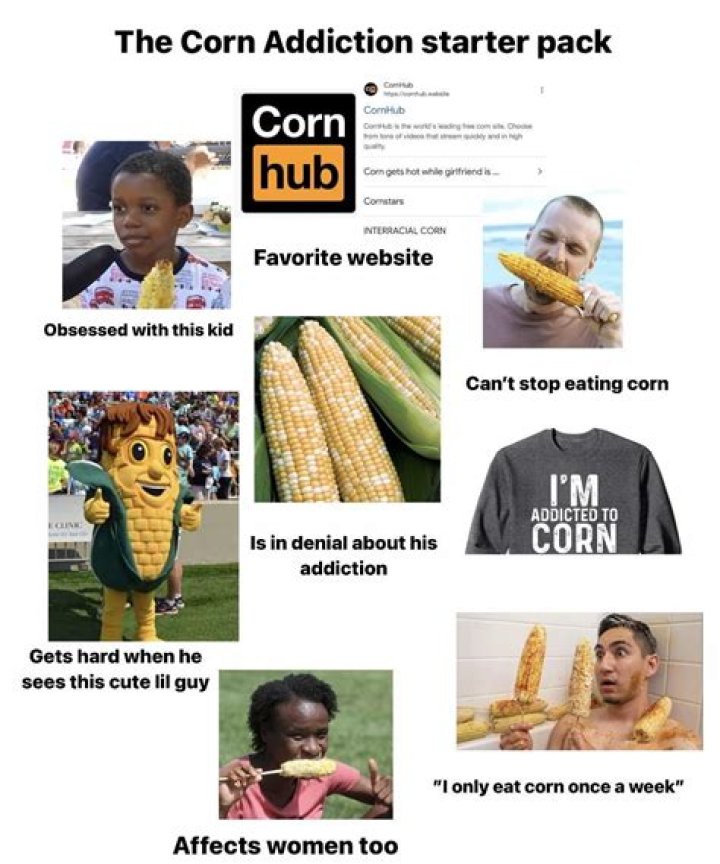
Corn addiction is not just a quirky phrase; it's a phenomenon that has sparked curiosity and concern across various communities. As we delve into the world of food addiction, corn emerges as an intriguing subject due to its omnipresence in our diets. From corn syrup to corn chips, this versatile grain has found its way into countless products, often unnoticed. The question arises: why are so many individuals drawn to corn-based foods, and what implications does this have for our health and lifestyles?
In recent years, the term "corn addiction" has come to encapsulate a growing awareness of how certain foods can trigger compulsive eating behaviors. With the rise of processed foods rich in corn derivatives, many consumers are unknowingly entering a cycle of craving and consumption. This article will explore the concept of corn addiction, examining its causes, effects, and potential solutions for those who feel they may be affected.
As we embark on this exploration of what is corn addiction, we will break down the components that contribute to this peculiar dependency. Through an analysis of the biochemical effects of corn on the brain, societal influences, and personal anecdotes, we aim to provide a comprehensive understanding of this contemporary issue. Are we facing a crisis of corn addiction, or is it merely a symptom of broader dietary trends? Let’s find out together.
What is Corn Addiction?
Corn addiction refers to a compulsive craving for corn-based foods and ingredients. This phenomenon often arises from the intense flavors and textures that corn products provide, leading individuals to seek them out repeatedly. The wide array of corn products, including corn syrup, corn chips, and popcorn, creates a cycle of craving that can be difficult to escape.
What Causes Corn Addiction?
Several factors contribute to the development of corn addiction. These include:
- Biochemical Responses: Corn contains sugars and carbohydrates that can trigger the release of dopamine, a neurotransmitter associated with pleasure and reward.
- Accessibility: Corn products are ubiquitous and often cheaper than healthier alternatives, making them easy to consume frequently.
- Marketing Strategies: Aggressive marketing of corn-based snacks and fast food makes these products appealing, particularly to younger audiences.
- Emotional Eating: Many individuals turn to comfort foods, which often include corn-based items, during stressful times.
How Does Corn Addiction Impact Health?
Understanding what is corn addiction also requires examining its health implications. Overconsumption of corn products can lead to various health issues, including:
- Weight Gain
- Increased Risk of Type 2 Diabetes
- Higher Cholesterol Levels
- Digestive Problems
Are There Signs of Corn Addiction?
Identifying corn addiction can be challenging, but some signs may indicate a problem:
- Constant cravings for corn-based foods
- Difficulty reducing intake despite wanting to
- Using corn products to cope with emotions or stress
- Neglecting other food groups in favor of corn-based items
How Can One Overcome Corn Addiction?
Breaking free from corn addiction can be a challenging but rewarding journey. Here are some strategies to consider:
- Mindful Eating: Practice awareness of what you consume and how it makes you feel.
- Limit Accessibility: Reduce the availability of corn products in your home.
- Seek Alternatives: Explore other grains and foods to diversify your diet.
- Professional Help: Consider consulting a nutritionist or therapist for guidance and support.
Can Corn Addiction Be Prevented?
Prevention of corn addiction begins with education and awareness. Encouraging healthy dietary habits from a young age, promoting the consumption of whole foods, and limiting exposure to processed foods can help mitigate the risk of developing an addiction to corn products. Additionally, fostering a balanced relationship with food can empower individuals to make informed choices regarding their diets.
Is Corn Addiction a Widespread Issue?
While corn addiction might not be recognized as a formal medical diagnosis, it is a growing concern among health professionals. As the prevalence of processed foods continues to rise, so too does the likelihood of individuals developing unhealthy relationships with these products. Studies suggest that corn addiction may be more common in certain demographics, particularly among those with limited access to healthier food options.
What Role Does Society Play in Corn Addiction?
Societal norms and trends significantly influence dietary choices. The normalization of fast food culture and the availability of cheap, convenient corn-based snacks contribute to the prevalence of corn addiction. Understanding these societal pressures is crucial for addressing the issue effectively.
Conclusion: The Need for Awareness
In summary, what is corn addiction is a multifaceted issue that encompasses various aspects of human behavior, health, and societal influences. By raising awareness and fostering healthier eating habits, individuals can combat the pull of corn addiction and make more informed choices about their diets. As we continue to explore this growing phenomenon, it is essential to approach the subject with an open mind and a commitment to understanding the complexities of food addiction.
Brittany Skoland Bodycam: A Deeper Look Into The Incident
Unveiling The Mystery: Paola Castillo Fotos Filtradas
Discovering The Art Of Sperduto Landscaping