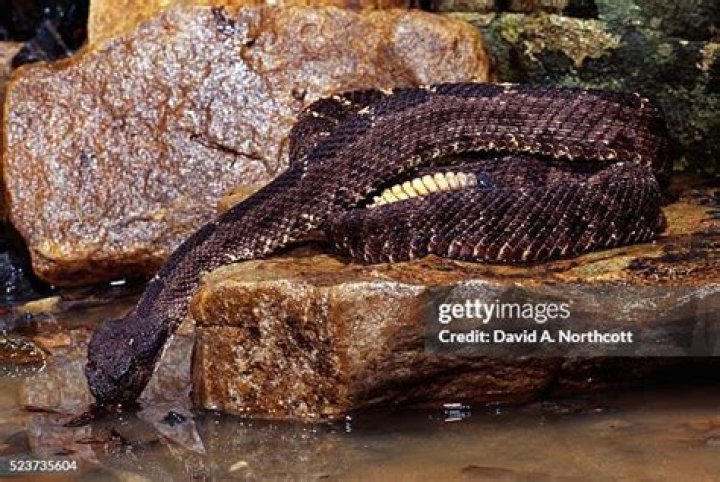
Rattlesnakes are often misunderstood creatures, notorious for their venomous bite and distinctive rattle. However, like all living beings, they have essential needs that go beyond their predatory nature. One of the most vital of these needs is hydration. Observing a rattlesnake drinking water can be a rare but mesmerizing sight, showcasing a more vulnerable side of these reptiles. In the wild, water sources can be scarce, prompting these snakes to adapt their behavior in fascinating ways to ensure they stay hydrated.
When we think about rattlesnakes, images of them basking in the sun or coiled up in a defensive posture often come to mind. However, these creatures also need to drink water to survive. Rattlesnakes are ectothermic, meaning they rely on external sources to regulate their body temperature, and maintaining hydration is a crucial aspect of this process. Rattlesnakes might not drink water every day, but when they do, their methods and behaviors are intriguing. From finding water sources to their drinking techniques, observing these reptiles can deepen our understanding of their ecology and behavior.
In this article, we will explore the various aspects of rattlesnakes drinking water, including their hydration habits, how they locate water, and the significance of this behavior in their overall survival. By delving into these questions, we hope to shed light on the often-overlooked aspects of rattlesnake life that highlight their adaptability and resilience in the wild.
Why Do Rattlesnakes Need Water?
The necessity for water is universal among all living organisms, including rattlesnakes. But what are the specific reasons that drive rattlesnakes to seek out water in their arid habitats?
The Role of Water in Rattlesnake Physiology
Water plays a critical role in the physiological processes of rattlesnakes. Just like humans and other animals, rattlesnakes need water for digestion, circulation, and temperature regulation. When food is consumed, the body requires water to break down and absorb nutrients effectively.
How Do Rattlesnakes Find Water Sources?
Rattlesnakes are adept at locating water sources. They often rely on their keen senses of smell and sight. Here are some common ways they find water:
- Following animal trails: Rattlesnakes may track prey or other animals that lead them to water sources.
- Seasonal changes: During certain times of the year, rain may create temporary water bodies that attract these snakes.
- Human activity: In some areas, rattlesnakes may be drawn to artificial water sources like ponds or birdbaths.
How Do Rattlesnakes Drink Water?
When it comes to drinking water, rattlesnakes have developed unique methods that are quite different from how mammals consume liquids.
Observing Rattlesnakes Drinking Water
Rattlesnakes typically drink by using their tongues and mouths to absorb water. They may do this at a water source, or they can even absorb moisture from damp environments. The act of drinking is both fascinating and vital for their survival.
Can Rattlesnakes Survive Without Water?
While rattlesnakes can survive for extended periods without water, their health and vitality will decline significantly without consistent hydration. In extreme conditions, they may enter a state of lethargy, affecting their hunting and survival skills.
What Are the Risks of Dehydration in Rattlesnakes?
Dehydration poses serious risks to rattlesnakes, impacting their ability to thrive in their environment.
Signs of Dehydration in Rattlesnakes
Some signs that a rattlesnake may be dehydrated include:
- Decreased activity levels: A lethargic rattlesnake may be struggling with hydration.
- Dry skin: The skin may appear dull and less flexible.
- Reduced appetite: A dehydrated rattlesnake may not eat as frequently.
How Can We Help Rattlesnakes Stay Hydrated?
While it's essential to let wildlife thrive in their natural habitats, understanding the needs of rattlesnakes can help in conservation efforts. Here are a few ways we can assist:
- Creating wildlife-friendly gardens: Planting native flora can attract prey and create natural water sources.
- Promoting awareness: Educating communities about the ecological value of rattlesnakes can lead to better coexistence.
- Supporting conservation efforts: Contributing to organizations that focus on habitat preservation and wildlife protection can have a significant impact.
Conclusion: The Importance of Hydration for Rattlesnakes
Understanding the behavior of rattlesnakes drinking water provides insight into their physiology and survival strategies. As we continue to learn about these incredible creatures, it's vital to recognize the significance of water in their lives. By promoting awareness and supporting conservation efforts, we can help ensure that rattlesnakes and their habitats remain healthy and thriving for generations to come. The next time you think of rattlesnakes, remember that their quest for water is just as critical as their role in the ecosystem, balancing the intricate web of life in their arid environments.
Exploring The Beauty Of 27, 30, And 613 Braids
Discovering Belek, Turkey: The Ultimate Golfing Paradise With 297 Holes
Discovering The Fascinating World Of Slimbrionly2